
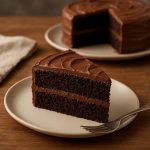

Hello there, and welcome back to Blazing English. I am Kenn, your host and your friendly companion on this English learning journey. On this podcast, we explore American culture, lifestyle, and everyday language to help you improve your skills naturally, one day at a time. This week, we are diving into the wonderful world of idioms and everyday expressions. These are those colorful phrases that native speakers use all the time, but they do not always mean exactly what the individual words say. Today, we are going to look at a very famous and delicious-sounding expression: piece of cake. Have you ever wondered why we say this when something is extremely easy?
Before we get into the history and meaning of this common phrase, let us take a quick look at five useful words and expressions you will hear during our episode today. We will hear the words baking, effortless, origin, and confident, along with the popular phrasal verb to breeze through. Keep your ears open for these key terms as we chat!
Let us think about this phrase for a moment. If a friend tells you that their job interview or their history exam was a piece of cake, they do not mean they sat down and ate a slice of chocolate dessert! What they really mean is that the experience was incredibly easy. It was so simple that it felt completely effortless.
To understand why we say this, let us think about the kitchen. Imagine the pleasant smell of warm vanilla and sugar, and the simple joy of baking. Baking is a wonderful hobby, and when you have a good recipe and plenty of practice, making a simple cake can feel effortless. You do not have to worry or stress about the steps. You just mix the ingredients, put the pan in the warm oven, and wait. It is a sweet, simple, and satisfying process.
But where did this famous idiom actually come from? The origin of the phrase piece of cake is quite interesting, and it does not actually start in a bakery. Many language experts believe the origin of this expression goes back to the late nineteenth century in the United States, when some communities held fun dance competitions. The prize for the best dancers was a giant, delicious cake. Dancers would walk around the cake, showing off their best moves. The easiest, most graceful walk would win the prize. Because winning the cake was so easy and pleasant for the talented dancers, people started associating the sweet treat with tasks that require very little effort. Over time, the phrase grew in popularity. By the 1930s, people were using piece of cake to describe any easy task.
Now, let us imagine a real-life situation. Picture yourself preparing for a big English presentation at work or school. At first, you might feel a little nervous. Your hands might shake slightly, and you might worry about making mistakes. But you have been preparing for weeks. You have been listening to English every day, studying your vocabulary, and practicing out loud. When the day finally arrives and you stand up to speak, something wonderful happens. You look at your audience, and you feel incredibly confident. You know exactly what to say, and the words flow naturally from your mouth. Your mind is clear, and you are completely relaxed.
Instead of struggling, you realize that you are going to breeze through the presentation. You share your ideas clearly, everyone smiles and applauds, and you sit back down with a big smile on your face. When your friend comes up to you afterward and asks how you did, you can look at them with a confident expression and say, oh, it was a piece of cake! I managed to breeze through the whole thing.
It is a fantastic feeling when a difficult challenge becomes something you can breeze through. It takes time and practice to reach that level of comfort, but with regular effort, things that once seemed scary will start to feel completely effortless. That is exactly how we want your English journey to feel. We want you to feel confident every time you speak, write, or listen to a conversation.
Now, let us take a few moments to review those five key words and expressions we heard today. Practicing these terms is a great way to make sure they stick in your memory so you can start using them in your own daily conversations.
Our first word is baking. This is the activity of making food, especially bread, cookies, or cakes, by cooking it inside an oven using dry heat. For example, on a quiet Sunday afternoon, I love baking fresh bread because it makes the whole house smell wonderful.
Next up is effortless. When we say something is effortless, we mean it is very easy and seems to require no hard work, struggle, or physical energy. It happens smoothly. For example, the professional ice skater made those difficult jumps look completely effortless.
Then we have the word origin. The origin of something is the starting point, the source, or where it first begins and comes from. For example, many people are interested in learning about the origin of their family name and where their ancestors lived.
Our fourth word is confident. When you feel confident, you have a strong belief in your own abilities. You believe you can succeed. For example, he spent weeks studying, so he felt confident when he took the exam.
Finally, we have the phrasal verb to breeze through. To breeze through something means to complete a task quickly and easily, without any problems. For example, she was such a fast reader that she was able to breeze through the thick book in one weekend.
That brings us to the end of today’s episode of Blazing English. Remember, learning a new language is a journey that happens step by step. It does not happen overnight, but through daily exposure, listening, and consistent practice, you will make wonderful progress. Be proud of the time you spent practicing today!
Tomorrow, we will continue with our weekly theme of idioms and everyday expressions. We are going to explore a phrase that is all about starting a journey or leaving a place. Have you ever wondered why people say hit the road when they are about to leave? We will talk about what this means, where it comes from, and how you can use it naturally in your own life. It is going to be another fun and useful conversation.
Thank you so much for hanging out with me today. I am Kenn, your friendly host, and I wish you a beautiful day ahead. Keep practicing, stay positive, and I will see you right here tomorrow! Goodbye!
Español
Hola da tregua, y bienvenido de nuevo a Blazing English. Yo soy Kenn, tu anfitrión y tu amigable compañero en este viaje de aprendizaje de inglés. En este podcast, exploramos la cultura, el estilo de vida y el lenguaje cotidiano estadounidense para ayudarte a mejorar tus habilidades de manera natural, un día a la vez. Esta semana, nos sumergimos en el maravilloso mundo de los modismos y las expresiones cotidianas. Estas son esas frases coloridas que los hablantes nativos usan todo el tiempo, pero no siempre significan exactamente lo que dicen las palabras individuales. Hoy, vamos a ver una expresión muy famosa y que suena deliciosa: piece of cake (pan comido). ¿Alguna vez te has preguntado por qué decimos esto cuando algo es extremadamente fácil?
Antes de entrar en la historia y el significado de esta frase común, echemos un vistazo rápido a de cinco palabras y expresiones útiles que escucharás durante nuestro episodio de hoy. Escucharemos las palabras baking (hornear), effortless (sin esfuerzo), origin (origen) y confident (seguro de sí mismo), junto con el verbo frasal popular to breeze through (superar fácilmente). ¡Mantén tus oídos atentos a estos términos clave mientras conversamos!
Pensemos en esta frase por un momento. Si un amigo te dice que su entrevista de trabajo o su examen de historia fue un piece of cake, ¡no quiere decir que se sentó a comer una rebanada de postre de chocolate! Lo que realmente quiere decir es que la experiencia fue increíblemente fácil. Fue tan simple que se sintió completamente effortless.
Para entender por qué decimos esto, pensemos en la cocina. Imagina el agradable olor a vainilla tibia y azúcar, y la simple alegría de baking. El baking es un pasatiempo maravilloso, y cuando tienes una buena receta y mucha práctica, hacer un pastel simple puede sentirse effortless. No tienes que preocuparte ni estresarte por los pasos. Solo mezclas los ingredientes, pones el molde en el horno caliente y esperas. Es un proceso dulce, simple y satisfactorio.
Pero, ¿de dónde vino realmente este famoso modismo? El origin de la frase piece of cake es bastante interesante, y en realidad no comienza en una pastelería. Muchos expertos en idiomas creen que el origin de esta expresión se remonta a finales del siglo diecinueve en los Estados Unidos, cuando algunas comunidades realizaban divertidas competencias de baile. El premio para los mejores bailarines era un pastel gigante y delicioso. Los bailarines caminaban alrededor del pastel, mostrando sus mejores movimientos. El caminar más fácil y elegante ganaba el premio. Debido a que ganar el pastel era tan fácil y agradable para los bailarines talentosos, la gente comenzó a asociar el dulce regalo con tareas que requieren muy poco esfuerzo. Con el tiempo, la frase creció en popularidad. Para la década de 1930, la gente usaba piece of cake para describir cualquier tarea fácil.
Ahora, imaginemos una situación de la vida real. Imagínate preparándote para una gran presentación en inglés en el trabajo o la escuela. Al principio, podrías sentirte un poco nervioso. Tus manos podrían temblar un poco y podrías preocuparte por cometer errores. Pero te has estado preparando durante semanas. Has estado escuchando inglés todos los días, estudiando tu vocabulario y practicando en voz alta. Cuando finalmente llega el día y te levantas para hablar, sucede algo maravilloso. Miras a tu audiencia y te sientes increíblemente confident. Sabes exactamente qué decir y las palabras fluyen de manera natural de tu boca. Tu mente está despejada y estás completamente relajado.
En lugar de tener dificultades, te das cuenta de que vas a to breeze through la presentación. Compartes tus ideas claramente, todos sonríen y aplauden, y te vuelves a sentar con una gran sonrisa en tu rostro. Cuando tu amigo se te acerca después y te pregunta cómo te fue, puedes mirarlo con una expresión confident y decir: oh, it was a piece of cake! I managed to breeze through the whole thing. (¡Oh, fue pan comido! Logré superar todo con gran facilidad.)
Es una sensación fantástica cuando un desafío difícil se convierte en algo que puedes to breeze through. Se necesita tiempo y práctica para alcanzar ese nivel de comodidad, pero con un esfuerzo constante, las cosas que alguna vez parecieron aterradoras comenzarán a sentirse completamente effortless. Así es exactamente como queremos que se sienta tu viaje de inglés. Queremos que te sientas confident cada vez que hables, escribas o escuches una conversación.
Ahora, nos tomaremos unos momentos para repasar esas cinco palabras y expresiones clave que escuchamos hoy. Practicar estos términos es una excelente manera de asegurarse de que se graben en tu memoria para que puedas comenzar a usarlos en tus propias conversaciones diarias.
Nuestra primera palabra es baking. Esta es la actividad de preparar alimentos, especialmente pan, galletas o pasteles, cocinándolos dentro de un horno con calor seco. Por ejemplo, on a quiet Sunday afternoon, I love baking fresh bread because it makes the whole house smell wonderful. (En una tarde de domingo tranquila, me encanta hornear pan fresco porque hace que toda la casa huela maravilloso.)
La siguiente es effortless. Cuando decimos que algo es effortless, queremos decir que es muy fácil y parece no requerir trabajo duro, dificultad o energía física. Sucede sin problemas. Por ejemplo, the professional ice skater made those difficult jumps look completely effortless. (El patinador sobre hielo profesional hizo que esos saltos difíciles parecieran completamente sin esfuerzo.)
Luego tenemos la palabra origin. El origin de algo es el punto de partida, la fuente o de donde comienza y proviene por primera vez. Por ejemplo, many people are interested in learning about the origin of their family name and where their ancestors lived. (Muchas personas están interesadas en conocer el origen de su apellido y dónde vivían sus antepasados.)
Nuestra cuarta palabra es confident. Cuando te sientes confident, tienes una fuerte creencia en tus propias habilidades. Crees que puedes tener éxito. Por ejemplo, he spent weeks studying, so he felt confident when he took the exam. (Él pasó semanas estudiando, así que se sintió seguro de sí mismo cuando tomó el examen.)
Finalmente, tenemos el verbo frasal to breeze through. Hacer to breeze through algo significa completar una tarea rápida y fácilmente, sin ningún problema. Por ejemplo, she was such a fast reader that she was able to breeze through the thick book in one weekend. (Ella era una lectora tan rápida que pudo superar fácilmente el grueso libro en un fin de semana.)
Eso lleva al final del episodio de hoy de Blazing English. Recuerda, aprender un nuevo idioma es un viaje que ocurre paso a paso. No sucede de la noche a la mañana, pero a través de la exposición diaria, la escucha y la práctica constante, lograrás un progreso maravilloso. ¡Siéntete orgulloso del tiempo que pasaste practicando hoy!
Mañana continuaremos con nuestro tema semanal de modismos y expresiones cotidianas. Vamos a explorar una frase que tiene que ver con comenzar un viaje o irse de un lugar. ¿Alguna vez te has preguntado por qué la gente dice hit the road (ponerse en camino) cuando está a punto de irse? Hablaremos sobre lo que esto significa, de dónde viene y cómo puedes usarlo de manera natural en tu propia vida. Va a ser otra conversación divertida y útil.
Muchas gracias por pasar el rato conmigo hoy. Yo soy Kenn, tu amigable anfitrión, y te deseo un hermoso día por delante. ¡Sigan practicando, manténganse positivos y los veré aquí mismo mañana! ¡Adiós!
Français
Bonjour à tous, et bienvenue à nouveau dans Blazing English. Je suis Kenn, votre animateur et votre compagnon amical dans ce voyage d’apprentissage de l’anglais. Dans ce podcast, nous explorons la culture, le mode de vie et la langue quotidienne des Américains pour vous aider à améliorer vos compétences naturellement, un jour à la fois. Cette semaine, nous plongeons dans le monde merveilleux des expressions idiomatiques et des expressions de tous les jours. Ce sont ces phrases colorées que les locuteurs natifs utilisent tout le temps, mais elles ne signifient pas toujours exactement ce que disent les mots individuels. Aujourd’hui, nous allons nous intéresser à une expression très célèbre qui a l’air délicieuse : piece of cake (du gâteau). Vous êtes-vous déjà demandé pourquoi nous disons cela quand quelque chose est extrêmement facile ?
Avant d’aborder l’histoire et la signification de cette expression courante, jetons un coup d’œil rapide à cinq mots et expressions utiles que vous entendrez au cours de notre épisode d’aujourd’hui. Nous entendrons les mots baking (la pâtisserie), effortless (sans effort), origin (origine) et confident (confiant), ainsi que le verbe à particule populaire to breeze through (traverser avec une grande facilité). Gardez l’oreille ouverte pour repérer ces termes clés pendant que nous discutons !
Pensons à cette expression un instant. Si un ami vous dit que son entretien d’embauche ou son examen d’histoire était un piece of cake, il ne veut pas dire qu’il s’est assis pour manger une part de dessert au chocolat ! Ce qu’il veut vraiment dire, c’est que l’expérience a été incroyablement facile. C’était tellement simple que cela semblait complètement effortless.
Pour comprendre pourquoi nous disons cela, pensons à la cuisine. Imaginez la bonne odeur de vanille tiède et de sucre, et la joie simple de baking. Le baking est un passe-temps merveilleux, et quand on a une bonne recette et beaucoup de pratique, faire un gâteau simple peut sembler effortless. Vous n’avez pas à vous soucier ou à vous stresser pour les étapes. Vous mélangez simplement les ingrédients, mettez le moule dans le four chaud et attendez. C’est un processus doux, simple et satisfaisant.
Mais d’où vient réellement cette célèbre expression ? L’origin de l’expression piece of cake est très intéressante, et elle ne commence pas vraiment dans une pâtisserie. De nombreux experts en langues pensent que l’origin de cette expression rémonte à la fin du dix-neuvième siècle aux États-Unis, lorsque certaines communautés organisaient des concours de danse amusants. Le prix pour les meilleurs danseurs était un gâteau géant et délicieux. Les danseurs marchaient autour du gâteau en montrant leurs meilleurs mouvements. La marche la plus facile et la plus gracieuse remportait le prix. Comme gagner le gâteau était si facile et agréable pour ces danseurs talentueux, les gens ont commencé à associer cette friandise sucrée à des tâches qui demandent très peu d’efforts. Au fil du temps, l’expression a gagné en popularité. Dans les années 1930, les gens utilisaient piece of cake pour décrire n’importe quelle tâche facile.
Maintenant, imaginons une situation de la vie réelle. Imaginez-vous en train de vous préparer pour une grande présentation en anglais au travail ou à l’école. Au début, vous pourriez vous sentir un peu nerveux. Vos mains pourraient trembler légèrement, et vous pourriez craindre de commettre des erreurs. Mais vous vous préparez depuis des semaines. Vous écoutez de l’anglais chaque jour, vous étudiez votre vocabulaire et vous vous exercez à voix haute. Quand le jour arrive enfin et que vous vous levez pour parler, quelque chose de merveilleux se produit. Vous regardez votre public et vous vous sentez incroyablement confident. Vous savez exactement quoi dire et les mots sortent naturellement de votre bouche. Votre esprit est clair et vous êtes complètement détendu.
Au lieu de lutter, vous réalisez que vous allez to breeze through la présentation. Vous partagez vos idées clairement, tout le monde sourit et applaudit, et vous vous rasseyez avec un grand sourire sur le visage. Quand votre ami s’approche de vous après coup et vous demande comment cela s’est passé, vous pouvez le regarder avec une expression confident et dire : oh, it was a piece of cake! I managed to breeze through the whole thing. (Oh, c’était du gâteau ! J’ai réussi à traverser tout cela avec une grande facilité.)
C’est un sentiment fantastique lorsqu’un défi difficile devient quelque chose que vous pouvez to breeze through. Il faut du temps et de la pratique pour atteindre ce niveau de confort, mais avec un effort régulier, des choses qui semblaient effrayantes au départ commenceront à paraître complètement effortless. C’est exactement ce que nous voulons pour votre parcours d’anglais. Nous voulons que vous vous sentiez confident à chaque fois que vous parlez, écrivez ou écoutez une conversation.
Prenons maintenant quelques instants pour revoir ces cinq mots et expressions clés que nous avons entendus aujourd’hui. Pratiquer ces termes est un excellent moyen de s’assurer qu’ils restent gravés dans votre mémoire afin que vous puissiez commencer à les utiliser dans vos propres conversations quotidiennes.
Notre premier mot est baking. Il s’agit de l’activité consistant à préparer des aliments, en particulier du pain, des biscuits ou des gâteaux, en les faisant cuire dans un four à chaleur sèche. Par exemple, on a quiet Sunday afternoon, I love baking fresh bread because it makes the whole house smell wonderful. (Par un dimanche après-midi calme, j’adore faire cuire du pain frais car cela donne une odeur merveilleuse à toute la maison.)
Le suivant est effortless. Quand nous disons que quelque chose est effortless, nous voulons dire que c’est très facile et que cela semble ne nécessiter aucun travail acharné, aucune lutte ou énergie physique. Cela se passe en douceur. Par exemple, the professional ice skater made those difficult jumps look completely effortless. (Le patineur artistique professionnel a fait paraître ces sauts difficiles complètement sans effort.)
Ensuite, nous avons le mot origin. L’origin de quelque chose est le point de départ, la source, ou l’endroit d’où cela commence et provient pour la première fois. Par exemple, many people are interested in learning about the origin of their family name and where their ancestors lived. (De nombreuses personnes s’intéressent à l’origine de leur nom de famille et à l’endroit où vivaient leurs ancêtres.)
Notre quatrième mot est confident. Lorsque vous vous sentez confident, vous croyez fermement en vos propres capacités. Vous croyez que vous pouvez réussir. Par exemple, he spent weeks studying, so he felt confident when he took the exam. (Il a passé des semaines à étudier, il se sentait donc confiant lorsqu’il a passé l’examen.)
Enfin, nous avons le verbe à particule to breeze through. Faire to breeze through quelque chose signifie accomplir une tâche rapidement et facilement, sans aucun problème. Par exemple, she was such a fast reader that she was able to breeze through the thick book in one weekend. (Elle lisait si vite qu’elle a pu finir le livre épais très facilement en un seul week-end.)
Cela nous amène à la fin de l’épisode d’aujourd’hui de Blazing English. N’oubliez pas que l’apprentissage d’une nouvelle langue est un voyage qui se fait étape par étape. Cela ne se fait pas du jour au lendemain, mais grâce à une exposition quotidienne, à l’écoute et à une pratique constante, vous ferez de merveilleux progrès. Soyez fier du temps que vous avez passé à vous exercer aujourd’hui !
Demain, nous poursuivrons avec notre thème hebdomadaire sur les expressions idiomatiques et de tous les jours. Nous allons explorer une expression qui parle de commencer un voyage ou de quitter un endroit. Vous êtes-vous déjà demandé pourquoi les gens disent hit the road (prendre la route) lorsqu’ils sont sur le point de partir ? Nous parlerons de ce que cela signifie, d’où cela vient et de la manière dont vous pouvez l’utiliser naturellement dans votre propre vie. Ce sera une autre conversation amusante et utile.
Merci beaucoup d’avoir passé du temps avec moi aujourd’hui. Je suis Kenn, votre aimable animateur, et je vous souhaite une belle journée à venir. Continuez à vous exercer, restez positifs, et je vous retrouverai ici même demain ! Au revoir !
Português
Olá a todos, e bem-vindos de volta ao Blazing English. Eu sou Kenn, seu anfitrião e seu companheiro amigável nesta jornada de aprendizado de inglês. Neste podcast, exploramos a cultura, o estilo de vida e a linguagem cotidiana americana para ajudar você a melhorar suas habilidades de forma natural, um dia de cada vez. Esta semana, estamos mergulhando no maravilhoso mundo das expressões idiomáticas e expressões do dia a dia. Estas são aquelas frases coloridas que os falantes nativos usam o tempo todo, mas que nem sempre significam exatamente o que as palavras individuais dizem. Hoje, vamos dar uma olhada em uma expressão muito famosa e deliciosa: piece of cake (mamão com açúcar). Você já se perguntou por que dizemos isso quando algo é extremamente fácil?
Antes de entrarmos na história e no significado desta frase comum, vamos dar uma olhada rápida em cinco palavras e expressões úteis que você ouvirá durante o nosso episódio de hoje. Ouviremos as palavras baking (assar), effortless (sem esforço), origin (origem) e confident (confiante), junto com o popular phrasal verb to breeze through (passar com facilidade). Mantenha seus ouvidos atentos a esses termos-chave enquanto conversamos!
Vamos pensar sobre essa frase por um momento. Se um amigo disser a você que a entrevista de emprego ou o exame de história dele foi um piece of cake, ele não quer dizer que se sentou e cometeu uma fatia de sobremesa de chocolate! O que ele realmente quer dizer é que a experiência foi incrivelmente fácil. Foi tão simples que pareceu completamente effortless.
Para entender por que dizemos isso, vamos pensar na cozinha. Imagine o cheiro agradável de baunilha quente e açúcar, e a alegria simples de baking. O baking é um hobby maravilhoso e, quando você tem uma boa receita e muita prática, fazer um bolo simples pode parecer effortless. Você não precisa se preocupar ou se estressar com as etapas. Você apenas mistura os ingredientes, coloca a assadeira no forno quente e espera. É um processo doce, simples e satisfatório.
Mas de onde realmente veio essa famosa expressão? A origin da frase piece of cake é bastante interessante e, na verdade, não começa em uma confeitaria. Muitos especialistas em idiomas acreditam que a origin desta expressão remonta ao final do século dezenove nos Estados Unidos, quando algumas comunidades realizavam competições de dança divertidas. O prêmio para os melhores dançarinos era um bolo gigante e delicioso. Os dançarinos caminhavam ao redor do bolo, mostrando seus melhores passos. A caminhada mais fácil e graciosa ganhava o prêmio. Como ganhar o bolo era tão fácil e agradável para os dançarinos talentosos, as pessoas começaram a associar o doce a tarefas que exigem muito pouco esforço. Com o tempo, a frase cresceu em popularidade. Na década de 1930, as pessoas já usavam piece of cake para descrever qualquer tarefa fácil.
Agora, vamos imaginar uma situação da vida real. Imagine-se preparando para uma grande apresentação de inglês no trabalho ou na escola. No início, você pode se sentir um pouco nervoso. Suas mãos podem tremer um pouco e você pode se preocupar em cometer erros. Mas você tem se preparado há semanas. Você tem ouvido inglês todos os dias, estudado seu vocabulário e praticado em voz alta. Quando o dia finalmente chega e você se levanta para falar, algo maravilhoso acontece. Você olha para o seu público e se sente incrivelmente confident. Você sabe exatamente o que dizer, e as palavras fluem naturalmente de sua boca. Sua mente está limpa e você está completamente relaxado.
Em vez de ter dificuldades, você percebe que vai to breeze through a apresentação. Você compartilha suas ideias claramente, todos sorriem e aplaudem, e você se senta de volta com um grande sorriso no rosto. Quando seu amigo se aproxima de você depois e pergunta como foi, você pode olhar para ele com uma expressão confident e dizer: oh, it was a piece of cake! I managed to breeze through the whole thing. (Oh, foi mamão com açúcar! Consegui passar com facilidade por tudo aquilo.)
É uma sensação fantástica quando um desafio difícil se torna algo pelo qual você pode to breeze through. Leva tempo e prática para alcançar esse nível de conforto, mas com esforço regular, as coisas que antes pareciam assustadoras começarão a parecer completamente effortless. É exatamente assim que queremos que você se sinta na sua jornada de inglês. Queremos que você se sinta confident toda vez que falar, escrever ou ouvir uma conversa.
Agora, vamos tirar alguns momentos para revisar aquelas cinco palavras e expressões-chave que ouvimos hoje. Praticar esses termos é uma ótima maneira de garantir que eles fiquem gravados na sua memória para que você possa começar a usá-los em suas próprias conversas diárias.
Nossa primeira palavra é baking. Esta é a atividade de fazer comida, especialmente pão, biscoitos ou bolos, cozinhando-a dentro de um forno usando calor seco. Por exemplo, on a quiet Sunday afternoon, I love baking fresh bread because it makes the whole house smell wonderful. (Em uma tarde tranquila de domingo, adoro assar pão fresco porque faz toda a casa cheirar maravilhosamente.)
A próxima é effortless. Quando dizemos que algo é effortless, queremos dizer que é muito fácil e parece não exigir muito trabalho, luta ou energia física. Acontece suavemente. Por exemplo, the professional ice skater made those difficult jumps look completely effortless. (O patinador artístico profissional fez aqueles saltos difíceis parecerem completamente sem esforço.)
Depois temos a palavra origin. A origin de algo é o ponto de partida, a fonte ou onde tudo começa e de onde vem. Por exemplo, many people are interested in learning about the origin of their family name and where their ancestors lived. (Muitas pessoas estão interessadas em aprender sobre a origem de seu sobrenome e onde seus ancestrais viveram.)
Nossa quarta palavra é confident. Quando você se sente confident, você tem uma forte crença em suas próprias habilidades. Você acredita que pode ter sucesso. Por exemplo, he spent weeks studying, so he felt confident when he took the exam. (Ele passou semanas estudando, então se sentiu confiante quando fez o exame.)
Finalmente, temos o phrasal verb to breeze through. Fazer to breeze through algo significa concluir uma tarefa de forma rápida e fácil, sem problemas. Por exemplo, she was such a fast reader that she was able to breeze through the thick book in one weekend. (Ela era uma leitora tão rápida que conseguiu passar com facilidade pelo livro grosso em um fim de semana.)
Isso nos leva ao final do episódio de hoje do Blazing English. Lembre-se, aprender um novo idioma é uma jornada que acontece passo a passo. Não acontece da noite para o dia, mas através da exposição diária, escuta e prática consistente, você fará um progresso maravilhoso. Tenha orgulho do tempo que você passou praticando hoje!
Amanhã, continuaremos com o nosso tema semanal de expressões idiomáticas e expressões cotidianas. Vamos explorar uma frase que tem tudo a ver com começar uma jornada ou deixar um lugar. Você já se perguntou por que as pessoas dizem hit the road (pegar a estrada) quando estão prestes a partir? Falaremos sobre o que isso significa, de onde vem e como você pode usar isso de forma natural em sua própria vida. Vai ser outra conversa divertida e útil.
Muito obrigado por passar o tempo comigo hoje. Eu sou Kenn, seu anfitrião amigável, e desejo a você um lindo dia pela frente. Continue praticando, mantenha-se positivo e nos vemos aqui amanhã! Tchau!
Italiano
Ciao a tutti e benvenuti di nuovo su Blazing English. Sono Kenn, il vostro presentatore e il vostro amichevole compagno in questo viaggio di apprendimento dell’inglese. In questo podcast esploriamo la cultura, lo stile di vita e la lingua quotidiana americana per aiutarvi a migliorare le vostre abilità in modo naturale, un giorno alla volta. Questa settimana ci tufferemo nel meraviglioso mondo dei modi di dire e delle espressioni quotidiane. Si tratta di quelle frasi colorate che i madrelingua usano continuamente, ma che non sempre significano esattamente ciò che dicono le singole parole. Oggi esamineremo un’espressione molto famosa e dall’aspetto delizioso: piece of cake (un gioco da ragazzi). Vi siete mai chiesti perché diciamo così quando qualcosa è estremamente facile?
Prima di entrare nella storia e nel significato di questa frase comune, diamo una rapida occhiata a cinque parole ed espressioni utili che sentirete durante il nostro episodio di oggi. Sentiremo le parole baking (cuocere al forno), effortless (senza sforzo), origin (origine) e confident (sicuro di sé), insieme al popolare verbo frasale to breeze through (superare con estrema facilità). Tenete le orecchie aperte per questi termini chiave mentre chiacchieriamo!
Pensiamo a questa frase per un momento. Se un amico vi dice che il suo colloquio di lavoro o il suo esame di storia è stato un piece of cake, non significa che si è seduto e ha mangiato una fetta di dolce al cioccolato! Ciò che intende veramente è che l’esperienza è stata incredibilmente facile. È stato così semplice che è sembrato del tutto effortless.
Per capire perché diciamo così, pensiamo alla cucina. Immaginate il gradevole profumo di vaniglia calda e zucchero, e la semplice gioia del baking. Il baking è un hobby meraviglioso e, quando si ha una buona ricetta e molta pratica, preparare una torta semplice può sembrare effortless. Non dovete preoccuparvi o stressarvi per i passaggi. Vi basta mescolare gli ingredienti, mettere la teglia nel forno caldo e aspettare. È un processo dolce, semplice e soddisfacente.
But da dove viene in realtà questo famoso modo di dire? L’origin della frase piece of cake è piuttosto interessante e in realtà non inizia in una pasticceria. Molti esperti di lingua ritengono che l’origin di questa espressione risalga alla fine del diciannovesimo secolo negli Stati Uniti, quando alcune comunità organizzavano divertenti gare di danza. Il premio per i migliori ballerini era una torta gigante e deliziosa. I ballerini camminavano intorno alla torta, mostrando i loro passi migliori. La camminata più facile e aggraziata vinceva il premio. Poiché vincere la torta era così facile e piacevole per i ballerini di talento, la gente iniziò ad associare il dolce a compiti che richiedono pochissimo sforzo. Con il tempo, la frase è diventata sempre più popolare. Negli anni ’30, le persone usavano piece of cake per descrivere qualsiasi compito facile.
Ora, immaginiamo una situazione di vita reale. Immaginate di prepararvi per una grande presentazione in inglese al lavoro o a scuola. All’inizio potreste sentirvi un po’ nervosi. Le mani potrebbero tremarvi leggermente e potreste temere di fare errori. Ma vi state preparando da settimane. Avete ascoltato l’inglese ogni giorno, studiando i vocaboli e facendo pratica ad alta voce. Quando il giorno finalmente arriva e vi alzate per parlare, succede qualcosa di meraviglioso. Guardate il pubblico e vi sentite incredibilmente confident. Sapete esattamente cosa dire e le parole fluiscono naturalmente dalla vostra bocca. La vostra mente è lucida e siete completamente rilassati.
Invece di fare fatica, vi rendete conto che state per to breeze through la presentazione. Condividete le vostre idee in modo chiaro, tutti sorriono e applaudono, e vi risedete con un grande sorriso stampato in faccia. Quando il vostro amico vi si avvicina dopo e vi chiede com’è andata, potete guardarlo con un’espressione confident e dire: oh, it was a piece of cake! I managed to breeze through the whole thing. (Oh, è stato un gioco da ragazzi! Sono riuscito a superare tutto con estrema facilità.)
È una sensazione fantastica quando una sfida difficile diventa qualcosa che potete to breeze through. Ci vogliono tempo e pratica per raggiungere quel livello di comfort, ma con un impegno costante, le cose che un tempo sembravano spaventose inizieranno a sembrare del tutto effortless. È esattamente così che vogliamo che si svolga il vostro viaggio con l’inglese. Vogliamo che vi sentiate confident ogni volta che parlate, scrivete o ascoltate una conversazione.
Ora, dedichiamo qualche istante a ripassare quelle cinque parole ed espressioni chiave che abbiamo sentito oggi. Esercitarsi con questi termini è un ottimo modo per assicurarsi che rimangano impressi nella memoria, così da poter iniziare a usarli nelle proprie conversazioni quotidiane.
La nostra prima parola è baking. Questa è l’attività di preparare cibo, specialmente pane, biscotti o torte, cuocendolo all’interno di un forno usando il calore secco. Ad esempio, on a quiet Sunday afternoon, I love baking fresh bread because it makes the whole house smell wonderful. (In un tranquillo pomeriggio di domenica, amo cuocere il pane fresco perché fa profumare meravigliosamente tutta la casa.)
La prossima è effortless. Quando diciamo che qualcosa è effortless, intendiamo dire che è molto facile e sembra non richiedere fatica, sforzo o energia fisica. Avviene in modo fluido. Ad esempio, the professional ice skater made those difficult jumps look completely effortless. (Il pattinatore artistico professionista ha fatto sembrare quei salti difficili del tutto senza sforzo.)
Poi abbiamo la parola origin. L’origin di qualcosa è il punto di partenza, la fonte, o il luogo da cui inizia e proviene per la prima volta. Ad esempio, many people are interested in learning about the origin of their family name and where their ancestors lived. (Molte persone sono interessate a conoscere l’origine del proprio cognome e dove vivevano i loro antenati.)
La nostra quarta parola è confident. Quando vi sentite confident, avete una forte fiducia nelle vostre capacità. Credete di poter avere successo. Ad esempio, he spent weeks studying, so he felt confident when he took the exam. (Ha passato settimane a studiare, quindi si sentiva sicuro di sé quando ha sostenuto l’esame.)
Invece, abbiamo il verbo frasale to breeze through. Fare to breeze through qualcosa significa completare un compito in modo rapido e semplice, senza alcun problema. Ad esempio, she was such a fast reader that she was able to breeze through the thick book in one weekend. (Era una lettrice così veloce che è riuscita a superare il libro spesso con estrema facilità in un solo fine settimana.)
Questo ci porta alla fine dell’episodio odierno di Blazing English. Ricordate, imparare una nuova lingua è un viaggio che avviene passo dopo passo. Non succede dall’oggi al domani, ma attraverso l’esposizione quotidiana, l’ascolto e la pratica costante, farete progressi meravigliosi. Siate orgogliosi del tempo che avete dedicato a esercitarvi oggi!
Domani continueremo con il nostro tema settimanale dei modi di dire e delle espressioni quotidiane. Esploreremo una frase che riguarda l’inizio di un viaggio o il lasciare un posto. Vi siete mai chiesti perché le persone dicono hit the road (mettersi in viaggio) quando stanno per partire? Parleremo di cosa significa, da dove viene e di come potete usarla in modo naturale nella vostra vita. Sarà un’altra conversazione divertente e utile.
Grazie mille per aver passato del tempo con me oggi. Sono Kenn, il vostro amichevole presentatore, e vi auguro una splendida giornata. Continuate a esercitarvi, rimanete positivi e vi aspetterò qui domani! Arrivederci!
Deutsch
Hallo da draußen und willkommen zurück bei Blazing English. Ich bin Kenn, dein Gastgeber und dein freundlicher Begleiter auf dieser Reise des Englischlernens. In diesem Podcast erkunden wir die amerikanische Kultur, den Lebensstil und die Alltagssprache, um dir zu helfen, deine Fähigkeiten auf natürliche Weise zu verbessern, Tag für Tag. Diese Woche tauchen wir ein in die wunderbare Welt der Redewendungen und Alltagsausdrücke. Dies sind diese farbenfrohen Sätze, die Muttersprachler ständig verwenden, die aber nicht immer genau das bedeuten, was die einzelnen Wörter sagen. Heute schauen wir uns einen sehr berühmten und köstlich klingenden Ausdruck an: piece of cake (ein Kinderspiel). Hast du dich jemals gefragt, warum wir das sagen, wenn etwas extrem einfach ist?
Bevor wir uns mit der Geschichte und der Bedeutung dieser geläufigen Redewendung beschäftigen, werfen wir einen kurzen Blick auf fünf nützliche Wörter und Ausdrücke, die du in unserer heutigen Episode hören wirst. Wir werden die Wörter baking (Backen), effortless (mühelos), origin (Ursprung) und confident (selbstbewusst) hören, zusammen mit dem beliebten Phrasal Verb to breeze through (mühelos meistern). Halte deine Ohren offen für diese Schlüsselbegriffe, während wir plaudern!
Lass uns einen Moment über diese Redewendung nachdenken. Wenn ein Freund dir erzählt, dass sein Vorstellungsgespräch oder seine Geschichtsprüfung ein piece of cake war, meint er damit nicht, dass er sich hingesetzt und ein Stück Schokoladendessert gegessen hat! Was er wirklich meint, ist, dass die Erfahrung unglaublich einfach war. Es war so simpel, dass es sich völlig effortless anfühlte.
Um zu verstehen, warum wir das sagen, lass uns an die Küche denken. Stell dir den angenehmen Duft von warmer Vanille und Zucker vor und die einfache Freude am baking. Das baking ist ein wunderbares Hobby, und wenn du ein gutes Rezept und viel Übung hast, kann sich das Backen eines einfachen Kuchens effortless anfühlen. Du musst dir keine Sorgen machen oder dich wegen der Schritte stressen. Du mischst einfach die Zutaten, schiebst die Form in den warmen Ofen und wartest. Es ist ein süßer, einfacher und befriedigender Prozess.
Aber woher kam diese berühmte Redewendung eigentlich? Der origin der Redewendung piece of cake ist ziemlich interessant, und er beginnt eigentlich gar nicht in einer Bäckerei. Viele Sprachexperten glauben, dass der origin dieses Ausdrucks auf das späte neunzehnte Jahrhundert in den Vereinigten Staaten zurückgeht, als einige Gemeinden lustige Tanzwettbewerbe veranstalteten. Der Preis für die besten Tänzer war ein riesiger, köstlicher Kuchen. Die Tänzer gingen um den Kuchen herum und zeigten ihre besten Tanzschritte. Der einfachste und anmutigste Gang gewann den Preis. Weil es für die talentierten Tänzer so einfach und angenehm war, den Kuchen zu gewinnen, begannen die Menschen, die süße Leckerei mit Aufgaben zu verbinden, die nur sehr wenig Aufwand erfordern. Im Laufe der Zeit gewann die Redewendung an Beliebtheit. In den 1930er Jahren verwendeten die Menschen piece of cake, um jede einfache Aufgabe zu beschreiben.
Stell dir nun eine reale Situation vor. Stell dir vor, du bereitest dich auf eine große Englisch-Präsentation bei der Arbeit oder in der Schule vor. Zuerst fühlst du dich vielleicht ein wenig nervös. Deine Hände zittern vielleicht leicht, und du machst dir Sorgen, Fehler zu machen. Aber du hast dich wochenlang vorbereitet. Du hast jeden Tag Englisch gehört, deine Vokabeln gelernt und laut geübt. Wenn der Tag endlich da ist und du aufstehst, um zu sprechen, passiert etwas Wunderbares. Du schaust dein Publikum an und fühlst dich unglaublich confident. Du weißt genau, was du sagen willst, und die Worte fließen ganz natürlich aus deinem Mund. Deine Gedanken sind klar und du bist völlig entspannt.
Anstatt dich abzumühen, merkst du, dass du die Präsentation to breeze through wirst. Sie teilen Ihre Ideen klar mit, alle lächeln und applaudieren, und Sie setzen sich mit einem breiten Lächeln im Gesicht wieder hin. Wenn dein Freund danach zu dir kommt und fragt, wie es gelaufen ist, kannst du ihn mit einem confident Ausdruck anschauen und sagen: oh, it was a piece of cake! I managed to breeze through the whole thing. (Oh, es war ein Kinderspiel! Ich habe es geschafft, das Ganze mühelos zu meistern.)
Es ist ein fantastisches Gefühl, wenn eine schwierige Herausforderung zu etwas wird, das du to breeze through kannst. Es braucht Zeit und Übung, um dieses Maß an Sicherheit zu erreichen, aber mit regelmäßigem Aufwand werden sich Dinge, die sich einst beängstigend anfühlten, anfangen, sich völlig effortless anzufühlen. Genau so soll sich deine Englischreise anfühlen. Wir möchten, dass du dich jedes Mal confident fühlst, wenn du sprichst, schreibst oder einem Gespräch zuhörist.
Nehmen wir uns nun ein paar Momente Zeit, um diese fünf Schlüsselwörter und -ausdrücke zu wiederholen, die wir heute gehört haben. Das Üben dieser Begriffe ist eine großartige Möglichkeit, um sicherzustellen, dass sie in deinem Gedächtnis haften bleiben, sodass du sie in deinen eigenen täglichen Gesprächen verwenden kannst.
Unser erstes Wort ist baking. Dies ist die Tätigkeit des Herstellens von Lebensmitteln, insbesondere Brot, Keksen oder Kuchen, indem man sie in einem Ofen mit trockener Hitze gart. Zum Beispiel: on a quiet Sunday afternoon, I love baking fresh bread because it makes the whole house smell wonderful. (An einem ruhigen Sonntagnachmittag liebe ich es, frisches Brot zu backen, weil dadurch das ganze Haus wunderbar duftet.)
Als nächstes kommt effortless. Wenn wir sagen, dass etwas effortless ist, meinen wir, dass es sehr einfach ist und anscheinend keine harte Arbeit, Mühe oder körperliche Energie erfordert. Es geschieht reibungslos. Zum Beispiel: the professional ice skater made those difficult jumps look completely effortless. (Die professionelle Eiskunstläuferin ließ diese schwierigen Sprünge völlig mühelos aussehen.)
Dann haben wir das Wort origin. Der origin von etwas ist der Ausgangspunkt, die Quelle oder der Ort, an dem es zuerst beginnt und herkommt. Zum Beispiel: many people are interested in learning about the origin of their family name and where their ancestors lived. (Viele Menschen sind daran interessiert, etwas über den Ursprung ihres Familiennamens zu erfahren und darüber, wo ihre Vorfahren lebten.)
Unser viertes Wort ist confident. Wenn du dich confident fühlst, hast du ein starkes Vertrauen in deine eigenen Fähigkeiten. Du glaubst, dass du Erfolg haben kannst. Zum Beispiel: he spent weeks studying, so he felt confident when he took the exam. (Er verbrachte Wochen mit Lernen, daher fühlte er sich selbstbewusst, als er die Prüfung ablegte.)
Schließlich haben wir das Phrasal Verb to breeze through. Etwas to breeze through bedeutet, eine Aufgabe schnell und einfach und ohne Probleme zu erledigen. Zum Beispiel: she was such a fast reader that she was able to breeze through the thick book in one weekend. (Sie war eine so schnelle Leserin, dass sie in der Lage war, das dicke Buch an einem Wochenende mühelos zu meistern.)
Damit sind wir am Ende der heutigen Folge von Blazing English angelangt. Denke daran, dass das Erlernen einer neuen Sprache eine Reise ist, die Schritt für Schritt verläuft. Es geschieht nicht über Nacht, aber durch den täglichen Kontakt, das Zuhören und beständiges Üben wirst du wunderbare Fortschritte machen. Sei stolz auf die Zeit, die du heute mit Üben verbracht hast!
Morgen machen wir weiter mit unserem Wochenthema Redewendungen und Alltagsausdrücke. Wir werden eine Redewendung erkunden, bei der es darum geht, eine Reise zu beginnen oder einen Ort zu verlassen. Hast du dich jemals gefragt, warum Menschen hit the road (sich auf den Weg machen) sagen, wenn sie im Begriff sind aufzubrechen? Wir werden darüber sprechen, was das bedeutet, woher es kommt und wie du es in deinem eigenen Leben auf natürliche Weise anwenden kannst. Es wird ein weiteres unterhaltsames und nützliches Gespräch werden.
Vielen Dank, dass du heute Zeit mit mir verbracht hast. Ich bin Kenn, dein freundlicher Gastgeber, und ich wünsche dir einen schönen Tag. Übe weiter, bleibe positiv und wir sehen uns morgen genau hier wieder! Auf Wiedersehen!