

Hello there, and welcome back to Blazing English. I’m Kenn, your friend and host, and I’m so glad you’re joining me today. On this podcast, we explore American culture, history, and daily life to help you grow your English naturally. This week, we are diving deep into some of the most exciting moments in American history. Today, we’re going to talk about a moment that truly changed the world forever, and honestly, changed how we look at the night sky. I’m talking about the Apollo 11 Moon landing. It’s an incredible story of human courage, science, and wonder.
Before we start our journey into space today, let’s quickly preview five interesting words and expressions that you will hear during the episode. These are great words that will help us tell our story. Today, we’ll listen for the word spacecraft, the phrasal verb to take off, the common idiom to hold one’s breath, the special phrase giant leap, and finally, the exciting expression to make history. Keep an ear out for these terms as we talk about this amazing event in space. Don’t worry, we’ll go over all of them together at the end of the episode.
Imagine sitting in your own living room on a warm, quiet July evening back in 1969. Families all over the world, from big, busy American cities to quiet, small villages across the globe, are sitting together in front of their television screens. The screens are black and white, and the moving images are a bit blurry. But everyone is staring at them because they are about to see humans do something that once seemed completely impossible. They are waiting for three brave men in a tiny spacecraft to land on the moon.
This historic journey started a few days earlier, on July 16, 1969. In sunny Florida, a massive, powerful rocket sat on the launchpad carrying the Apollo 11 spacecraft, which was carefully designed to carry three astronauts: Neil Armstrong, Buzz Aldrin, and Michael Collins. When the rocket was finally ready to take off, the ground for miles around began to shake. Imagine the incredibly loud roar, like a heavy thunder that just wouldn’t stop. A huge, beautiful cloud of white smoke and bright orange fire filled the air as the rocket started to take off. It rose higher and higher into the bright blue sky, leaving our home planet of Earth behind.
For three long days, the astronauts traveled through the cold, silent darkness of outer space. Inside their spacecraft, they had very little room to move. It was a long, dark, and dangerous journey, far away from the comforts of home. But finally, they reached their destination. On July 20, Neil Armstrong and Buzz Aldrin crawled into a smaller part of the spacecraft, called the Eagle, and began their difficult descent down to the lunar surface.
Back on Earth, millions of people started to hold their breath. The landing was extremely dangerous, and if something went wrong, the astronauts might not make it. To make things worse, the computer inside the spacecraft showed warning lights because fuel was running low. People in the control room in Houston, Texas, were holding their breath. Finally, Neil Armstrong took manual control and steered the spacecraft to a safe, flat area. When the spacecraft touched the ground, Armstrong said, the Eagle has landed. Suddenly, everyone who was holding their breath let out a giant sigh of relief. They were safe on the moon.
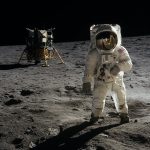
A few hours later, Neil Armstrong opened the door of the spacecraft and stepped out into the absolute silence of the moon. He climbed down the small ladder. When he reached the bottom, he put his left foot onto the soft, dusty surface. This was the exact moment that would make history. Millions of people watched as his heavy boot left the very first human footprint in the fine, gray moon dust. As he stood there, looking at the distant blue Earth in the black sky, he spoke those famous words: that’s one small step for man, one giant leap for mankind. It truly was a giant leap for science, for technology, and for the human spirit. Landing on the moon was a way to make history in a way that would be talked about for generations.
But the journey wasn’t over. After collecting rocks, the astronauts got back into their spacecraft. They had to take off from the moon’s surface, which was incredibly difficult. Once again, everyone back home had to hold their breath as they waited. Thankfully, the spacecraft did take off perfectly, and they began the long journey home.
When they finally splashed down in the warm, blue waters of the Pacific Ocean on July 24, the whole world celebrated. They knew they had achieved something historic. The three men did more than just travel to outer space and return safely. They managed to make history, and they showed us that when we work together, we can achieve absolutely anything.
That story always gives me goosebumps. Now, let’s take a couple of minutes to review the five words and expressions we heard today.
First, we have spacecraft. A spacecraft is a vehicle designed to travel in outer space. For example, the astronauts lived inside a small spacecraft for more than a week.
Second, we heard the phrasal verb to take off. To take off means to leave the ground and begin to fly. For example, we watched the airplane take off into the cloudy sky.
Third, we have the idiom to hold one’s breath. To hold one’s breath means to wait anxiously or excitedly for something to happen. For example, I held my breath as I opened the letter with my test results.
Fourth, we heard giant leap. A giant leap is a very large and important step forward. For example, learning a new language is hard, but practicing every day is a giant leap toward your goal.
Fifth, we have to make history. To make history means to do something important that people will remember forever. For example, the young athlete made history by winning three gold medals.
That is all for today’s episode of Blazing English. I hope you enjoyed learning about the Apollo 11 moon landing and practicing your English with me. Remember, learning a language is a journey, and you are making great progress every day. Just like going to the moon, big goals are achieved by taking small steps. I hope you’ll join me next time. We’re going to start a brand new theme about idioms and everyday expressions. In our next episode, we will talk about the common expression break the ice and find out what it really means. Until then, have a wonderful day, and keep practicing. Goodbye for now!
Español
Hola a todos y bienvenidos de nuevo a Blazing English. Soy Kenn, su amigo y anfitrión, y estoy muy contento de que me acompañen hoy. En este podcast, exploramos la cultura, la historia y la vida cotidiana de los Estados Unidos para ayudarlos a desarrollar su inglés de forma natural. Esta semana, nos sumergiremos profundamente en algunos de los momentos más emocionante de la historia estadounidense. Hoy vamos a hablar de un momento que realmente cambió el mundo para siempre y, honestamente, cambió la forma en que miramos el cielo nocturno. Me refiero al alunizaje del Apollo 11. Es una historia increíble de valentía humana, ciencia y asombro.
Antes de comenzar nuestro viaje al espacio hoy, repasemos rápidamente cinco palabras y expresiones interesantes que escucharán durante el episodio. Estas son excelentes palabras que nos ayudarán a contar nuestra historia. Hoy prestaremos atención a la palabra spacecraft (nave espacial), al verbo frasal to take off (despegar), al modismo común to hold one’s breath (contener la respiración), a la frase especial giant leap (gran salto) y, finalmente, a la emocionante expresión to make history (hacer historia). Estén atentos a estos términos mientras hablamos de este increíble evento en el espacio. No se preocupen, los repasaremos todos juntos al final del episodio.
Imaginen estar sentados en su propia sala de estar en una cálida y tranquila tarde de julio en 1969. Familias de todo el mundo, desde grandes y concurridas ciudades estadounidenses hasta pequeños y tranquilos pueblos de todo el planeta, están sentadas juntas frente a las pantallas de sus televisores. Las pantallas son de blanco y negro, y las imágenes en movimiento se ven un poco borrosas. Pero todos las miran fijamente porque están a punto de ver a los seres humanos hacer algo que antes parecía completamente imposible. Están esperando que tres hombres valientes en una pequeña spacecraft aterricen en la luna.
Este viaje histórico comenzó unos días antes, el 16 de julio de 1969. En la soleada Florida, un cohete enorme y potente se encontraba en la plataforma de lanzamiento llevando la spacecraft Apollo 11, que fue diseñada cuidadosamente para transportar a tres astronautas: Neil Armstrong, Buzz Aldrin y Michael Collins. Cuando el cohete estuvo finalmente listo para take off, el suelo a kilómetros a la redonda comenzó a temblar. Imaginen el estruendo increíblemente fuerte, como un trueno pesado que simplemente no se detenía. Una enorme y hermosa nube de humo blanco y fuego naranja brillante llenó el aire cuando el cohete comenzó a take off. Se elevó más y más en el cielo azul brillante, dejando atrás a nuestro planeta hogar, la Tierra.
Durante tres largos días, los astronautas viajaron a través de la fría y silenciosa oscuridad del espacio exterior. Dentro de su spacecraft, tenían muy poco espacio para moverse. Fue un viaje largo, oscuro y peligroso, muy lejos de las comodidades del hogar. Pero finalmente, llegaron a su destino. El 20 de julio, Neil Armstrong y Buzz Aldrin se metieron en una parte más pequeña de la spacecraft, llamada Eagle, y comenzaron su difícil descenso hacia la superficie lunar.
De vuelta en la Tierra, millones de personas comenzaron a hold their breath. El alunizaje era extremadamente peligroso y, si algo salía mal, los astronautas podrían no lograrlo. Para empeorar las cosas, la computadora dentro de la spacecraft mostró luces de advertencia porque el combustible se estaba agotando. Las personas en la sala de control en Houston, Texas, estaban holding their breath. Finalmente, Neil Armstrong tomó el control manual y dirigió la spacecraft hacia una zona plana y segura. Cuando la spacecraft tocó el suelo, Armstrong dijo: “the Eagle has landed”. De repente, todos los que estaban holding their breath dejaron escapar un suspiro gigante de alivio. Estaban a salvo en la luna.
Unas pocas horas después, Neil Armstrong abrió la puerta de la spacecraft y salió al silencio absoluto de la luna. Bajó por la pequeña escalera. Cuando llegó al final, puso su pie izquierdo sobre la superficie suave y polvorienta. Este fue el momento exacto que permitiría make history. Millones de personas observaron cómo su pesada bota dejaba la primera huella humana en el fino y gris polvo lunar. Mientras estaba allí de pie, mirando a la lejana y azul Tierra en el cielo negro, pronunció aquellas famosas palabras: “that’s one small step for man, one giant leap for mankind”. Realmente fue un giant leap para la ciencia, para la tecnología y para el espíritu humano. Alunizar fue una forma de make history de la que se hablaría durante generaciones.
Pero el viaje no había terminado. Después de recolectar rocas, los astronautas regresaron a su spacecraft. Tenían que take off desde la superficie de la luna, lo cual era increíblemente difícil. Una vez más, todos en casa tuvieron que hold their breath mientras esperaban. Afortunadamente, la spacecraft sí pudo take off a la perfección y comenzaron el largo viaje de regreso a casa.
Cuando finalmente acuatizaron en las cálidas y azules aguas del océano Pacífico el 24 de julio, el mundo entero celebró. Sabían que habían logrado algo histórico. Los tres hombres hicieron más que solo viajar al espacio exterior y regresar a salvo. Lograron make history y nos demostraron que, cuando trabajamos juntos, podemos lograr absolutamente cualquier cosa.
Esa historia siempre me pone la piel de gallina. Ahora, tomémonos un par de minutos para repasar las cinco palabras y expresiones que escuchamos hoy.
En primer lugar, tenemos spacecraft. Una spacecraft es un vehículo diseñado para viajar en el espacio exterior. For example, the astronauts lived inside a small spacecraft for more than a week. (Por ejemplo, los astronautas vivieron dentro de una pequeña nave espacial durante más de una semana).
En segundo lugar, escuchamos el verbo frasal to take off. To take off significa dejar el suelo y comenzar a volar. For example, we watched the airplane take off into the cloudy sky. (Por ejemplo, vimos al avión despegar hacia el cielo nublado).
En tercer lugar, tenemos el modismo to hold one’s breath. To hold one’s breath significa esperar con ansiedad o entusiasmo a que suceda algo. For example, I held my breath as I opened the letter with my test results. (Por ejemplo, contuve la respiración mientras abría la carta con los resultados de mi examen).
En cuarto lugar, escuchamos giant leap. Un giant leap es un paso adelante muy grande e importante. For example, learning a new language is hard, but practicing every day is a giant leap toward your goal. (Por ejemplo, aprender un nuevo idioma es difícil, pero practicar todos los días es un gran salto hacia tu meta).
En quinto lugar, tenemos to make history. To make history significa hacer algo importante que la gente recordará para siempre. For example, the young athlete made history by winning three gold medals. (Por ejemplo, el joven atleta hizo historia al ganar tres medallas de oro).
Eso es todo por el episodio de hoy de Blazing English. Espero que hayan disfrutado aprender sobre el alunizaje del Apollo 11 y practicar su inglés conmigo. Recuerden que aprender un idioma es un viaje y que están haciendo un gran progreso todos los días. Al igual que ir a la luna, las grandes metas se alcanzan dando pequeños pasos. Espero que me acompañen la próxima vez. Vamos a comenzar un tema completamente nuevo sobre modismos y expresiones cotidianas. En nuestro próximo episodio, hablaremos sobre la expresión común break the ice (romper el hielo) y descubriremos qué significa realmente. Hasta entonces, que tengan un día maravilloso y sigan practicando. ¡Adiós por ahora!
Français
Bonjour à tous, et bienvenue à nouveau dans Blazing English. Je suis Kenn, votre ami et hôte, et je suis ravi que vous vous joigniez à moi aujourd’hui. Dans ce podcast, nous explorons la culture, l’histoire et la vie quotidienne américaines pour vous aider à progresser en anglais naturellement. Cette semaine, nous plongeons au cœur de certains des moments les plus passionnants de l’histoire américaine. Aujourd’hui, nous allons parler d’un moment qui a véritablement changé le monde pour toujours et, honnêtement, a changé notre façon de regarder le ciel nocturne. Je veux parler de l’alunissage d’Apollo 11. C’est une histoire incroyable de courage humain, de science et d’émerveillement.
Avant de commencer notre voyage dans l’espace aujourd’hui, découvrons rapidement cinq mots et expressions intéressants que vous entendrez au cours de l’épisode. Ce sont d’excellents mots qui nous aideront à raconter notre histoire. Aujourd’hui, nous prêterons attention au mot spacecraft (vaisseau spatial), au verbe à particule to take off (décoller), à l’expression courante to hold one’s breath (retenir son souffle), à la formule spéciale giant leap (pas de géant), et enfin, à l’expression passionnante to make history (marquer l’histoire). Restez à l’écoute de ces termes pendant que nous parlons de cet événement extraordinaire dans l’espace. Ne vous inquiétez pas, nous les passerons tous en revue ensemble à la fin de l’épisode.
Imaginez-vous assis dans votre propre salon par une douce et tranquille soirée de juillet, en 1969. Partout dans le monde, des grandes villes américaines animées aux petits villages calmes de la planète entière, des familles sont assises ensemble devant leur écran de télévision. Les écrans sont en noir et blanc, et les images en mouvement sont un peu floues. Mais tout le monde les regarde fixement, car ils s’apprêtent à voir des êtres humains faire quelque chose qui semblait autrefois complètement impossible. Ils attendent que trois hommes courageux à bord d’un minuscule spacecraft atterrissent sur la lune.
Ce voyage historique a commencé quelques jours plus tôt, le 16 juillet 1969. Dans la Floride ensoleillée, une fusée massive et puissante se trouvait sur le pas de tir, transportant le spacecraft Apollo 11, qui avait été soigneusement conçu pour transporter trois astronautes : Neil Armstrong, Buzz Aldrin et Michael Collins. Lorsque la fusée a enfin été prête à take off, le sol a commencé à trembler sur des kilomètres à la ronde. Imaginez ce rugissement incroyablement fort, comme un tonnerre lourd qui ne s’arrêtait pas. Un immense et magnifique nuage de fumée blanche et de feu orange vif a rempli l’air alors que la fusée commençait à take off. Elle s’est élevée de plus en plus haut dans le ciel bleu éclatant, laissant derrière elle notre planète Terre.
Pendant trois longs jours, les astronautes ont voyagé dans l’obscurité froide et silencieuse de l’espace profond. À l’intérieur de leur spacecraft, ils avaient très peu d’espace pour bouger. C’était un voyage long, sombre et dangereux, bien loin du confort de la maison. Mais ils ont fini par atteindre leur destination. Le 20 juillet, Neil Armstrong et Buzz Aldrin se sont glissés dans une partie plus petite du spacecraft, appelée Eagle, et ont commencé leur difficile descente vers la surface lunaire.
De retour sur Terre, des millions de personnes ont commencé à hold their breath. L’alunissage était extrêmement dangereux et, si quelque chose tournait mal, les astronautes risquaient de ne pas s’en sortir. Pour aggraver les choses, l’ordinateur à l’intérieur du spacecraft affichait des voyants d’alerte car le carburant venait à manquer. Les personnes présentes dans la salle de contrôle à Houston, au Texas, étaient holding their breath. Finalement, Neil Armstrong a pris le contrôle manuel et a dirigé le spacecraft vers une zone plane et sûre. Lorsque le spacecraft a touché le sol, Armstrong a dit : “the Eagle has landed”. Soudain, tous ceux qui étaient holding their breath ont poussé un immense soupir de soulagement. Ils étaient en sécurité sur la lune.
Quelques heures plus tard, Neil Armstrong a ouvert la porte du spacecraft et est sorti dans le silence absolu de la lune. Il a descendu la petite échelle. Lorsqu’il a atteint le bas, il a posé son pied gauche sur la surface douce et poussiéreuse. C’était le moment précis qui allait make history. Des millions de personnes ont regardé sa lourde botte laisser la toute première empreinte humaine dans la fine poussière grise de la lune. Alors qu’il se tenait là, regardant la Terre bleue et lointaine dans le ciel noir, il a prononcé ces mots célèbres : “that’s one small step for man, one giant leap for mankind”. C’était vraiment un giant leap pour la science, pour la technologie et pour l’esprit humain. Atterrir sur la lune était un moyen de make history d’une manière dont on parlerait pendant des générations.
Mais le voyage n’était pas terminé. Après avoir collecté des pierres, les astronautes sont remontés dans leur spacecraft. Ils devaient take off de la surface de la lune, ce qui était incroyablement difficile. Une fois de plus, tout le monde resté au pays a dû hold their breath en attendant. Heureusement, le spacecraft a parfaitement take off, et ils ont commencé le long voyage de retour.
Lorsqu’ils ont enfin amerri dans les eaux chaudes et bleues de l’océan Pacifique le 24 juillet, le monde entier a fait la fête. Ils savaient qu’ils avaient accompli quelque chose d’historique. Les trois hommes ont fait bien plus que simplement voyager dans l’espace et revenir sains et saufs. Ils ont réussi à make history, et ils nous ont montré que lorsque nous travaillons ensemble, nous pouvons absolument tout accomplir.
Cette histoire me donne toujours des frissons. Prenons maintenant quelques minutes pour revoir les crayons, les cinq mots et expressions que nous avons entendus aujourd’hui.
Tout d’abord, nous avons spacecraft. Un spacecraft est un véhicule conçu pour voyager dans l’espace. For example, the astronauts lived inside a small spacecraft for more than a week. (Par exemple, les astronautes ont vécu à l’intérieur d’un petit vaisseau spatial pendant plus d’une semaine).
Deuxièmement, nous avons entendu le verbe à particule to take off. To take off signifie quitter le sol et commencer à voler. For example, we watched the airplane take off into the cloudy sky. (Par exemple, nous avons regardé l’avion décoller dans le ciel nuageux).
Troisièmement, nous avons l’expression to hold one’s breath. To hold one’s breath signifie attendre avec impatience ou excitation que quelque chose se produise. For example, I held my breath as I opened the letter with my test results. (Par exemple, j’ai retenu mon souffle en ouvrant la lettre contenant les résultats de mon examen).
Quatrièmement, nous avons entendu giant leap. Un giant leap est un très grand et important pas en avant. For example, learning a new language is hard, but practicing every day is a giant leap toward your goal. (Par exemple, apprendre une nouvelle langue est difficile, mais s’entraîner tous les jours est un grand pas en avant vers votre objectif).
Cinquièmement, nous avons to make history. To make history signifie faire quelque chose d’important dont les gens se souviendront pour toujours. For example, the young athlete made history by winning three gold medals. (Par exemple, le jeune athlète a marqué l’histoire en remportant trois médailles d’or).
C’est tout pour l’épisode d’aujourd’hui de Blazing English. J’espère que vous avez aimé en apprendre davantage sur l’alunissage d’Apollo 11 et pratiquer votre anglais avec moi. N’oubliez pas que l’apprentissage d’une langue est un voyage, et que vous faites de grands progrès chaque jour. Tout comme aller sur la lune, les grands objectifs s’atteignent en faisant de petits pas. J’espère que vous vous joindrez à moi la prochaine fois. Nous allons commencer un tout nouveau thème sur les expressions idiomatiques et de tous les jours. Dans notre prochain épisode, nous parlerons de l’expression courante break the ice (briser la glace) et découvrirons ce qu’elle signifie vraiment. D’ici là, passez une merveilleuse journée, et continuez à vous entraîner. Au revoir pour l’instant !
Português
Olá a todos e bem-vindos de volta ao Blazing English. Eu sou o Kenn, seu amigo e anfitrião, e estou muito feliz por vocês estarem comigo hoje. Neste podcast, exploramos a cultura, a história e a vida cotidiana americanas para ajudar vocês a desenvolverem seu inglês de forma natural. Esta semana, vamos mergulhar fundo em alguns dos momentos mais emocionantes da história americana. Hoje, falaremos sobre um momento que realmente mudou o mundo para sempre e, sinceramente, mudou a forma como olhamos para o céu noturno. Estou falando do pouso na lua da Apollo 11. É uma história incrível de coragem humana, ciência e admiração.
Antes de começarmos nossa jornada pelo espaço hoje, vamos dar uma rápida olhada em cinco palavras e expressões interessantes que vocês ouvirão durante o episódio. São ótimas palavras que nos ajudarão a contar nossa história. Hoje, ficaremos atentos à palavra spacecraft (nave espacial), ao phrasal verb to take off (decolar), ao idioma comum to hold one’s breath (prender a respiração), à frase especial giant leap (grande salto) e, finalmente, à emocionante expressão to make history (fazer história). Fiquem atentos a esses termos enquanto falamos sobre esse evento incrível no espaço. Não se preocupem, vamos revisar todos eles juntos no final do episódio.
Imaginem-se sentados em sua própria sala de estar em uma noite quente e tranquila de julho, lá em 1969. Famílias do mundo inteiro, desde grandes e movimentadas cidades americanas até vilarejos calmos e pequenos pelo globo, estão sentadas juntas em frente às telas de suas televisões. As telas são em preto e branco, e as imagens em movimento são um pouco embaçadas. Mas todos estão olhando fixamente para elas porque estão prestes a ver os seres humanos fazerem algo que antes parecia completamente impossível. Eles estão esperando que três homens corajosos em uma pequena spacecraft pousem na lua.
Essa jornada histórica começou alguns dias antes, em 16 de julho de 1969. Na ensolarada Flórida, um foguete enorme e poderoso estava na plataforma de lançamento transportando a spacecraft Apollo 11, que foi cuidadosamente projetada para levar três astronautas: Neil Armstrong, Buzz Aldrin e Michael Collins. Quando o foguete finalmente ficou pronto para take off, o chão por quilômetros ao redor começou a tremer. Imaginem o rugido incrivelmente alto, como um trovão pesado que simplesmente não parava. Uma enorme e bela nuvem de fumaça branca e fogo laranja brilhante encheu o ar quando o foguete começou a take off. Ele subiu cada vez mais alto no céu azul brilhante, deixando nosso planeta Terra para trás.
Por três longos dias, os astronautas viajaram pela escuridão fria e silenciosa do espaço sideral. Dentro de sua spacecraft, eles tinham muito pouco espaço para se mover. Foi uma jornada longa, escura e perigosa, longe do conforto de casa. Mas, finalmente, eles chegaram ao seu destino. Em 20 de julho, Neil Armstrong e Buzz Aldrin entraram em uma parte menor da spacecraft, chamada Eagle, e começaram sua difícil descida em direção à superfície lunar.
De volta à Terra, milhões de pessoas começaram a hold their breath. O pouso era extremamente perigoso e, se algo desse errado, os astronautas poderiam não conseguir. Para piorar a situação, o computador dentro da spacecraft mostrava luzes de alerta porque o combustível estava acabando. As pessoas na sala de controle em Houston, no Texas, estavam holding their breath. Finalmente, Neil Armstrong assumiu o controle manual e direcionou a spacecraft para uma área plana e segura. Quando a spacecraft tocou o solo, Armstrong disse: “the Eagle has landed”. De repente, todos que estavam holding their breath soltaram um suspiro gigante de alívio. Eles estavam seguros na lua.
Poucas horas depois, Neil Armstrong abriu a porta da spacecraft e saiu para o silêncio absoluto da lua. Ele desceu pela pequena escada. Quando chegou ao fim, colocou o pé esquerdo na superfície macia e empoeirada. Esse foi o momento exato que iria make history. Milhões de pessoas assistiram enquanto sua bota pesada deixava a primeiríssima pegada humana na fina e cinzenta poeira lunar. Enquanto estava ali, olhando para a distante Terra azul no céu negro, ele pronunciou aquelas palavras famosas: “that’s one small step for man, one giant leap for mankind”. Foi realmente um giant leap para a ciência, para a tecnologia e para o espírito humano. Pousar na lua foi uma maneira de make history que seria comentada por gerações.
Mas a jornada não havia terminado. Depois de coletar rochas, os astronautas voltaram para a sua spacecraft. Eles tinham que take off da superfície da lua, o que era incrivelmente difícil. Mais uma vez, todos em casa tiveram que hold their breath enquanto esperavam. Felizmente, a spacecraft de fato take off perfeitamente, e eles começaram a longa jornada de volta para casa.
Quando eles finalmente caíram nas águas quentes e azuis do oceano Pacífico em 24 de julho, o mundo inteiro celebrou. Eles sabiam que tinham alcançado algo histórico. Os três homens fizeram mais do que apenas viajar ao espaço sideral e retornar em segurança. Eles conseguiram make history, e nos mostraram que, quando trabalhamos juntos, podemos alcançar absolutamente qualquer coisa.
Essa história sempre me dá arrepios. Agora, vamos tirar alguns minutos para revisar as cinco palavras e expressões que ouvimos hoje.
Primeiro, temos spacecraft. Uma spacecraft é um veículo projetado para viajar no espaço sideral. For example, the astronauts lived inside a small spacecraft for more than a week. (Por exemplo, os astronautas viveram dentro de uma pequena nave espacial por mais de uma semana).
Segundo, ouvimos o phrasal verb to take off. To take off significa deixar o chão e começar a voar. For example, we watched the airplane take off into the cloudy sky. (Por exemplo, nós assistimos ao avião decolar no céu nublado).
Terceiro, temos o idioma to hold one’s breath. To hold one’s breath significa esperar ansiosamente ou com entusiasmo para que algo aconteça. For example, I held my breath as I opened the letter with my test results. (Por exemplo, eu prendi a respiração ao abrir a carta com os resultados do meu teste).
Quarto, ouvimos giant leap. Um giant leap é um passo à frente muito grande e importante. For example, learning a new language is hard, but practicing every day is a giant leap toward your goal. (Por exemplo, aprender um novo idioma é difícil, mas praticar todos os dias é um grande salto em direção ao seu objetivo).
Quinto, temos to make history. To make history significa fazer algo importante que as pessoas lembrarão para sempre. For example, the young athlete made history by winning three gold medals. (Por exemplo, o jovem atleta fez história ao ganhar três medalhas de ouro).
Isso é tudo para o episódio de hoje do Blazing English. Espero que vocês tenham gostado de aprender sobre o pouso na lua da Apollo 11 e de praticar seu inglês comecado comigo. Lembrem-se de que aprender um idioma é uma jornada, e vocês estão fazendo um grande progresso todos os dias. Assim como ir à lua, grandes objetivos são alcançados dando pequenos passos. Espero que vocês se juntem a mim na próxima vez. Vamos começar um tema novinho em folha sobre idiomas e expressões cotidianas. No nosso próximo episódio, falaremos sobre a expressão comum break the ice (quebrar o gelo) e descobriremos o que ela realmente significa. Até lá, tenham um dia maravilhoso e continuem praticando. Tchau por enquanto!
Italiano
Ciao a tutti e benvenuti di nuovo a Blazing English. Sono Kenn, il vostro amico e ospite, e sono davvero felice che vi uniate a me oggi. In questo podcast esploriamo la cultura, la storia e la vita quotidiana americana per aiutarvi a migliorare il vostro inglese in modo naturale. Questa settimana ci tufferemo in alcuni dei momenti più emozionanti della storia americana. Oggi parleremo di un momento che ha davvero cambiato il mondo per sempre e, onestamente, ha cambiato il modo in cui guardiamo il cielo notturno. Sto parlando dell’allunaggio dell’Apollo 11. È una storia incredibile di coraggio umano, scienza e meraviglia.
Prima di iniziare il nostro viaggio nello spazio oggi, diamo una rapida anteprima di cinque parole ed espressioni interessanti che sentirete durante l’episodio. Sono parole fantastiche che ci aiuteranno a raccontare la nostra storia. Oggi faremo attenzione alla parola spacecraft (navicella spaziale), al phrasal verb to take off (decollare), all’idioma comune to hold one’s breath (trattenere il respiro), alla frase speciale giant leap (passo da gigante) e, infine, all’emozionante espressione to make history (fare la storia). Tenete le orecchie aperte per questi termini mentre parliamo di questo straordinario evento nello spazio. Non preoccupatevi, li ripasseremo tutti insieme alla fine dell’episodio.
Immaginate di essere seduti nel vostro salotto in una calda e tranquilla serata di luglio del 1969. Le famiglie di tutto il mondo, dalle grandi e trafficate città americane ai piccoli e tranquilli villaggi di tutto il globo, sono sedute insieme davanti agli schermi televisivi. Gli schermi sono in bianco e nero e le immagini in movimento sono un po’ sfocate. Ma tutti le fissano perché stanno per vedere gli esseri umani fare qualcosa che un tempo sembrava del tutto impossibile. Aspettano che tre uomini coraggiosi a bordo di una minuscola spacecraft atterrino sulla luna.
Questo viaggio storico è iniziato qualche giorno prima, il 16 luglio 1969. Nella soleggiata Florida, un enorme e potente razzo si trovava sulla rampa di lancio con a bordo la spacecraft Apollo 11, progettata con cura per trasportare tre astronauti: Neil Armstrong, Buzz Aldrin e Michael Collins. Quando il razzo è stato finalmente pronto a take off, il terreno per chilometri all’intorno ha iniziato a tremare. Immaginate quel rombo incredibilmente forte, come un tuono pesante che proprio non voleva smettere. Un’enorme e bellissima nuvola di fumo bianco e fuoco arancione brillante ha riempito l’aria quando il razzo ha iniziato a take off. È salito sempre più in alto nel cielo blu brillante, lasciandosi alle spalle il nostro pianeta Terra.
Per tre lunghi giorni, gli astronauti hanno viaggiato nell’oscurità fredda e silenziosa dello spazio profondo. All’interno della loro spacecraft avevano pochissimo spazio per muoversi. È stato un viaggio lungo, buio e pericoloso, lontano dalle comodità di casa. Ma alla fine hanno raggiunto la loro destinazione. Il 20 luglio, Neil Armstrong e Buzz Aldrin sono entrati in una parte più piccola della spacecraft, chiamata Eagle, e hanno iniziato la loro difficile discesa verso la superficie lunare.
Tornati sulla Terra, milioni di persone hanno iniziato a hold their breath. L’atterraggio era estremamente pericoloso e, se qualcosa fosse andato storto, gli astronauti avrebbero potuto non farcela. A peggiorare le cose, il computer all’interno della spacecraft mostrava spie di avvertimento perché il carburante stava finendo. Le persone nella sala di controllo di Houston, in Texas, stavano holding their breath. Alla fine, Neil Armstrong ha preso il controllo manuale e ha guidato la spacecraft verso un’area sicura e pianeggiante. Quando la spacecraft ha toccato terra, Armstrong ha detto: “the Eagle has landed”. All’improvviso, tutti coloro che stavano holding their breath hanno esalato un sospiro di sollievo gigante. Erano al sicuro sulla luna.
Poche ore dopo, Neil Armstrong ha aperto il portellone della spacecraft ed è uscito nel silenzio assoluto della luna. Ha disceso la piccola scaletta. Quando ha raggiunto il fondo, ha appoggiato il piede sinistro sulla superficie morbida e polverosa. Questo è stato l’esatto momento che avrebbe fatto make history. Milioni di persone hanno guardato il suo pesante stivale lasciare la primissima impronta umana nella fine polvere grigia della luna. Mentre si trovava lì, guardando la lontana Terra blu nel cielo nero, ha pronunciato quelle famose parole: “that’s one small step for man, one giant leap for mankind”. È stato davvero un giant leap per la scienza, per la tecnologia e per lo spirito umano. Atterrare sulla luna era un modo per make history in un modo di cui si sarebbe parlato per generazioni.
But il viaggio non era finito. Dopo aver raccolto delle rocce, gli astronauti sono risaliti sulla loro spacecraft. Dovevano take off dalla superficie lunare, il che era incredibilmente difficile. Ancora una volta, tutti a casa hanno dovuto hold their breath mentre aspettavano. Fortunatamente, la spacecraft ha effettivamente take off in modo perfetto e hanno iniziato il lungo viaggio di ritorno a casa.
Quando finalmente sono ammarati nelle calde acque blu dell’Oceano Pacifico il 24 luglio, il mondo intero ha festegato. Sapevano di aver compiuto qualcosa di storico. I tre uomini hanno fatto molto di più che viaggiare nello spazio profondo e tornare sani e salvi. Sono riusciti a make history e ci hanno mostrato che, quando lavoriamo insieme, possiamo raggiungere assolutamente qualsiasi cosa.
Questa storia mi fa sempre venire la pelle d’oca. Ora prendiamoci un paio di minuti per rivedere le cinque parole ed espressioni che abbiamo sentito oggi.
Per prima cosa abbiamo spacecraft. Una spacecraft è un veicolo progettato per viaggiare nello spazio profondo. For example, the astronauts lived inside a small spacecraft for more than a week. (Per esempio, gli astronauti hanno vissuto all’interno di una piccola navicella spaziale per più di una settimana).
In secondo luogo, abbiamo sentito il phrasal verb to take off. To take off significa staccarsi da terra e iniziare a volare. For example, we watched the airplane take off into the cloudy sky. (Per esempio, abbiamo guardato l’aereo decollare nel cielo nuvoloso).
Terzo, abbiamo l’idioma to hold one’s breath. To hold one’s breath significa aspettare con ansia o emozione che accada qualcosa. For example, I held my breath as I opened the letter with my test results. (Per esempio, ho trattenuto il respiro mentre aprivo la lettera con i risultati del mio esame).
Quarto, abbiamo sentito giant leap. Un giant leap è un passo avanti molto grande e importante. For example, learning a new language is hard, but practicing every day is a giant leap toward your goal. (Per esempio, imparare una nuova lingua è difficile, ma esercitarsi ogni giorno è un passo da gigante verso il proprio obiettivo).
Quinto, abbiamo to make history. To make history significa fare qualcosa di importante che la gente ricorderà per sempre. For example, the young athlete made history by winning three gold medals. (Per esempio, il giovane atleta ha fatto la storia vincendo tre medaglie d’oro).
Questo è tutto per l’episodio di oggi di Blazing English. Spero che vi sia piaciuto scoprire l’allunaggio dell’Apollo 11 e fare pratica d’inglese con me. Ricordate, imparare una lingua è un viaggio e state facendo grandi progressi ogni giorno. Proprio come andare sulla luna, i grandi obiettivi si raggiungono facendo piccoli passi. Spero che vi unirete a me la prossima volta. Inizieremo un tema completamente nuovo sui modi di dire ed espressioni quotidiane. Nel nostro prossimo episodio parleremo della comune espressione break the ice (rompere il ghiaccio) e scopriremo cosa significa davvero. Fino ad allora, passate una splendida giornata e continuate a esercitarvi. Ciao per ora!
Deutsch
Hallo allerseits und willkommen zurück bei Blazing English. Ich bin Kenn, dein Freund und Gastgeber, und ich freue mich so sehr, dass du heute dabei bist. In diesem Podcast erkunden wir die amerikanische Kultur, Geschichte und das tägliche Leben, um dir zu helfen, dein Englisch auf natürliche Weise zu verbessern. Diese Woche tauchen wir tief in einige der aufregendsten Momente der amerikanischen Geschichte ein. Heute werden wir über einen Moment sprechen, der die Welt wirklich für immer verändert hat und, ehrlich gesagt, die Art und Weise, wie wir den Nachthimmel betrachten. Ich spreche von der Mondlandung von Apollo 11. Es ist eine unglaubliche Geschichte von menschlichem Mut, Wissenschaft und Staunen.
Bevor wir heute unsere Reise ins All beginnen, werfen wir einen kurzen Blick auf fünf interessante Wörter und Ausdrücke, die du während der Episode hören wirst. Das sind großartige Wörter, die uns helfen werden, unsere Geschichte zu erzählen. Heute werden wir auf das Wort spacecraft (Raumschiff), das Phrasal Verb to take off (abheben), die gängige Redewendung to hold one’s breath (den Atem anhalten), den besonderen Ausdruck giant leap (Riesensprung) und schließlich auf den aufregenden Ausdruck to make history (Geschichte schreiben) achten. Halte Ausschau nach diesen Begriffen, während wir über dieses erstaunliche Ereignis im Weltraum sprechen. Keine Sorge, wir werden sie alle am Ende der Episode gemeinsam durchgehen.
Stell dir vor, du sitzt an einem warmen, ruhigen Juliabend im Jahr 1969 in deinem eigenen Wohnzimmer. Familien auf der ganzen Welt, von großen, geschäftigen amerikanischen Städten bis hin zu ruhigen, kleinen Dörfern rund um den Globus, sitzen gemeinsam vor ihren Fernsehbildschirmen. Die Bildschirme sind schwarz-weiß, und die bewegten Bilder sind ein bisschen verschwommen. Aber alle starren gebannt darauf, weil sie gleich Zeuge davon werden, wie Menschen etwas tun, das einst völlig unmöglich schien. Sie warten darauf, dass drei mutige Männer in einem winzigen spacecraft auf dem Mond landen.
Diese historische Reise begann ein paar Tage zuvor, am 16. Juli 1969. Im sonnigen Florida stand eine riesige, mächtige Rakete auf der Startrampe und trug das Apollo 11 spacecraft, das sorgfältig dafür entworfen worden war, drei Astronauten zu transportieren: Neil Armstrong, Buzz Aldrin und Michael Collins. Als die Rakete schließlich bereit war, take off, begann der Boden im Umkreis von Meilen zu beben. Stell dir das unglaublich laute Brüllen vor, wie ein schwerer Donner, der einfach nicht aufhören wollte. Eine riesige, wunderschöne Wolke aus weißem Rauch und hellorangefarbenem Feuer erfüllte die Luft, als die Rakete anfing, take off. Sie stieg höher und höher in den strahlend blauen Himmel und ließ unseren Heimatplaneten Erde hinter sich.
Drei lange Tage lang reisten die Astronauten durch die kalte, lautlose Dunkelheit des Weltraums. In ihrem spacecraft hatten sie nur sehr wenig Platz, um sich zu bewegen. Es war eine lange, dunkle und gefährliche Reise, weit weg von den Annehmlichkeiten der Heimat. Aber schließlich erreichten sie ihr Ziel. Am 20. Juli krochen Neil Armstrong und Buzz Aldrin in einen kleineren Teil des spacecraft, genannt Eagle, und begannen ihren schwierigen Abstieg zur Mondoberfläche.
Zurück auf der Erde begannen Millionen von Menschen, hold their breath. Die Landung war extrem gefährlich, und wenn etwas schiefging, würden die Astronauten es vielleicht nicht schaffen. Um die Sache noch schlimmer zu machen, zeigte der Computer im spacecraft Warnleuchten an, weil der Treibstoff knapp wurde. Die Menschen im Kontrollzentrum in Houston, Texas, waren holding their breath. Schließlich übernahm Neil Armstrong die manuelle Steuerung und lenkte das spacecraft in ein sicheres, flaches Gebiet. Als das spacecraft den Boden berührte, sagte Armstrong: “the Eagle has landed”. Plötzlich stießen alle, die holding their breath waren, einen riesigen Seufzer der Erleichterung aus. Sie waren sicher auf dem Mond.
Einige Stunden später öffnete Neil Armstrong die Tür des spacecraft und trat hinaus in die absolute Stille des Mondes. Er kletterte die kleine Leiter hinunter. Als er unten ankam, setzte er seinen linken Fuß auf die weiche, staubige Oberfläche. Dies war genau der Moment, der make history würde. Millionen von Menschen sahen zu, wie sein schwerer Stiefel den allerersten menschlichen Fußabdruck im feinen, grauen Mondstaub hinterließ. Als er dort stand und die ferne blaue Erde am schwarzen Himmel betrachtete, sprach er jene berühmten Worte: “that’s one small step for man, one giant leap for mankind”. Es war wirklich ein giant leap für die Wissenschaft, für die Technologie und für den menschlichen Geist. Die Landung auf dem Mond war eine Möglichkeit, make history, und zwar auf eine Weise, über die noch Generationen sprechen würden.
Aber die Reise war noch nicht zu Ende. Nach dem Sammeln von Steinen stiegen die Astronauten wieder in ihr spacecraft. Sie mussten von der Mondoberfläche take off, was unglaublich schwierig war. Wieder einmal mussten alle zu Hause hold their breath, während sie warteten. Glücklicherweise hat das spacecraft perfekt take off, und sie begannen die lange Heimreise.
Als sie am 24. Juli schließlich in den warmen, blauen Gewässern des Pazifischen Ozeans landeten, feierte die ganze Welt. Sie wussten, dass sie etwas Historisches erreicht hatten. Die drei Männer taten mehr, als nur in den Weltraum zu reisen und sicher zurückzukehren. Es gelang ihnen, make history, und sie zeigten uns, dass wir absolut alles erreichen können, wenn wir zusammenarbeiten.
Diese Geschichte jagt mir immer wieder eine Gänsehaut über den Rücken. Nehmen wir uns nun ein paar Minuten Zeit, um die fünk Wörter und Ausdrücke zu wiederholen, die wir heute gehört haben.
Erstens haben wir spacecraft. Ein spacecraft ist ein Fahrzeug, das für Reisen im Weltraum gebaut ist. For example, the astronauts lived inside a small spacecraft for more than a week. (Zum Beispiel lebten die Astronauten mehr als eine Woche lang in einem kleinen Raumschiff).
Zweitens haben wir das Phrasal Verb to take off gehört. To take off bedeutet, den Boden zu verlassen und zu fliegen. For example, we watched the airplane take off into the cloudy sky. (Zum Beispiel sahen wir zu, wie das Flugzeug in den bewölkten Himmel abhob).
Drittens haben wir die Redewendung to hold one’s breath. To hold one’s breath bedeutet, ängstlich oder aufgeregt darauf zu warten, dass etwas passiert. For example, I held my breath as I opened the letter with my test results. (Zum Beispiel hielt ich den Atem an, als ich den Brief mit meinen Testergebnissen öffnete).
Viertens haben wir giant leap gehört. Ein giant leap ist ein sehr großer und wichtiger Schritt nach vorn. For example, learning a new language is hard, but practicing every day is a giant leap toward your goal. (Zum Beispiel ist es schwer, eine neue Sprache zu lernen, aber jeden Tag zu üben, ist ein Riesensprung in Richtung deines Ziels).
Fünftens haben wir to make history. To make history bedeutet, etwas Wichtiges zu tun, an das sich die Menschen für immer erinnern werden. For example, the young athlete made history by winning three gold medals. (Zum Beispiel hat der junge Athlet Geschichte geschrieben, indem er drei Goldmedaillen gewann).
Das war es auch schon für die heutige Folge von Blazing English. Ich hoffe, es hat dir Spaß gemacht, etwas über die Apollo-11-Mondlandung zu erfahren und dein Englisch mit mir zu üben. Denk daran: Eine Sprache zu lernen ist eine Reise, und du machst jeden Tag tolle Fortschritte. Genau wie der Weg zum Mond werden große Ziele erreicht, indem man kleine Schritte macht. Ich hoffe, du bist auch das nächste Mal wieder dabei. Wir werden ein ganz neues Thema über Redewendungen und alltägliche Ausdrücke beginnen. In unserer nächsten Folge werden wir über den gängigen Ausdruck break the ice (das Eis brechen) sprechen und herausfinden, was er wirklich bedeutet. Bis dahin wünsche ich dir einen wunderschönen Tag und übe fleißig weiter. Tschüss für heute!